From Struggles to Strength: How NF Shaped My Path to Helping Others
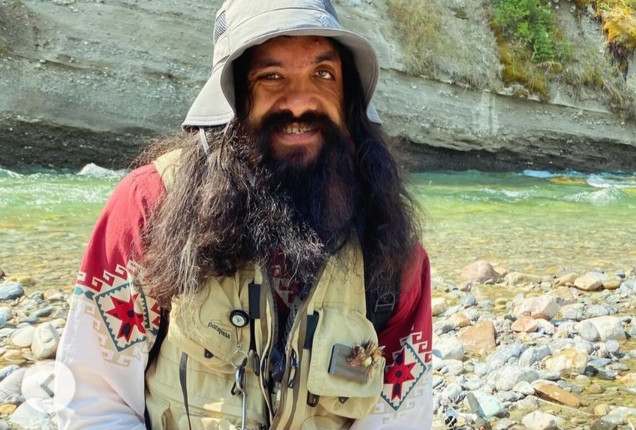
Brendon Pommier
My journey with NF started when I was diagnosed at 3 months old and am the only person in my immediate family with NF. I started to experience medical issues at an early age, and I had my first surgery when I was 3 years old to remove tumor that was compressing my spine which resulted in a neck fusion. I continued to experience other medical complications throughout my childhood, adolescence, and early adulthood, all in which required surgical treatment.
I don’t know about you all, but surgeries are scary, especially when you are so young. It’s hard for kids in early childhood to fully understand why these things are happening to them. My family, especially my mom and dad where so supportive, caring, and loving and I know how hard it must have been for them to see their child having to undergo multiple surgeries. I always felt the unwavering love and desire to protect me, but from my perspective, I still felt so vulnerable and scared because of the unknowing when my next surgery would happen. I also remember people around me telling me “You’re so strong”, which I do think has truth, but it also was not how I felt at the time. Hearing the phrase “you’re so strong” made me feel like I had to live up to this expectation and I felt like I couldn’t truly share how I was feeling, because I did not want to let people down.
My NF is also very visible and impacts my all aspects of my life as I get those stares no matter where I go. The combination of the repeated medical interventions throughout my life and having to navigate peoples judgmental stares resulted in repressing my feelings and pushing everything down so I did not have to think about it, because if I did, I knew the pain would be too much which led to living with depression and I started to use alcohol as a coping mechanism to try to live with the trauma and negative perceptions of myself that I know now are not true. I eventually started working through these traumas with my counsellor and am proud to stay I am reaching 5 years of sobriety. The one thing that I always felt is that I have a unique perspective on life and an inherent sense of empathy that I do not think I would have if it wasn’t for my experiences living with NF. I feel this could be true for anyone who lives with adversity as we know what it is like to have to navigate the complexities which can provide a sense of understanding for others and their experiences. I really do contribute my experiences of living with NF for going back to school and getting a Degree in Child and Youth Counselling so I can work alongside children and youth.
I am currently an Alternative team leader and youth worker at Covenant House in downtown Vancouver. Covenant House is a homeless shelter providing 30 male identified and gender diverse beds and 30 female and gender diverse beds for youth aged 16 to 24 experiencing homelessness. I initially started as a practicum student when I was in school and really enjoyed my time. Once I was finished school, I applied for a job, and I’ve been working there for the past year in a half.
When I am working alongside my clients, I view them as the expert in their lives and try my best to sit down and listen to what they have to say. My work is about meeting them where they are at and let them choose what they would like to do, not what I think they need, while focusing on each of the youth’s strengths and their resilience. I feel this a cornerstone of making a healthy and positive relationship with them where they can start to trust me and express what goals they would like to work on.
What working alongside youth at Covenant House has taught me is that our experiences with trauma will always be with us. Seeing the full transformation for some of the youth who stay with truly inspiring and so special. Youth still are living with their experiences of trauma, but they have adapted healthy coping strategies and learned to have self-love and acceptance for themselves.
Transformation is an on-going process. It helps to understand where our trauma comes from and guides us in showing those parts of ourselves- love, care, and compassion. For me, there will never be a time when I feel “okay with NF”. I will always wonder what life would be like if I didn’t have NF. But, living with NF gives me an unwavering sense of love, care and empathy that I feel comes from living through adversity.
I think its important to emphasize that its okay to not be okay at times. It is normal to feel scared and it is normal to wonder “why me”. It’s the reality of living with NF for me. Saying that, it is also important that we feel okay to discuss these feeling, thoughts, and emotions as it natural to feel them. The more we can talk about how we feel, helps us process our experiences. We can separate ourselves from the false beliefs and negative perceptions that we have about ourselves, and our abilities, and start to see our “true” self which is deserving of love, care, opportunities and self-acceptance.
Brendon Pommier 2024 NF Symposium Speech
Hello, my name is Brendon Pommier. First I would like to thank the Tumor Foundation of B.C, Desiree, and Silvana for asking to speak on my experience with NF1 and my work as an alternative team leader and youth worker. It is truly an honor, and I am so grateful for the opportunity to have spent the amongst everyone here. It is such a strong community, and I appreciate the previous speakers and everyone else who took times out of their day to come to this years Symposium.
My journey with NF started when I was diagnosed at 3 months old and am the only person in my immediate family with NF. I started to experience medical issues at an early age, and I had my first surgery when I was 3 years old to remove tumor that was compressing my spine which resulted in a neck fusion. I continued to experience other medical complications throughout my childhood, adolescence, and early adulthood, all in which required surgical treatment. I don’t know about you all, but surgeries are scary, especially when you are so young. It’s hard for kids in early childhood to fully understand why these things are happening to them. My family, especially my mom and dad where so supportive, caring, and loving and I know how hard it must have been for them to see their child having to undergo multiple surgeries. I always felt the unwavering love and desire to protect me, but from my perspective, I still felt so vulnerable and scared because of the unknowing when my next surgery would happen. I also remember people around me telling me “You’re so strong”, which I do think has truth, but it also was not how I felt at the time. Hearing the phrase “you’re so strong” made me feel like I had to live up tot his expectation and I felt like I couldn’t truly share how I was feeling, because I did not want to let people down. My NF is also very visible and impacts my all aspects of my life as I get those stares no matter where I go. The combination of the repeated medical interventions throughout my life and having to navigate peoples judgmental stares resulted in repressing my feelings and pushing everything down so I did not have to think about it, because if I did, I knew the pain would be too much which led to living with depression and I started to use alcohol as a coping mechanism to try to live with the trauma and negative perceptions of myself that I know now are not true. I eventually started working through these traumas with my counsellor and am proud to stay I am reaching 5 years of sobriety. The one thing that I always felt is that I have a unique perspective on life and an inherent sense of empathy that I do not think I would have if it wasn’t for my experiences living with NF. I feel this could be true for anyone who lives with adversity as we know what it is like to have to navigate the complexities which can provide a sense of understanding for others and their experiences. I really do contribute my experiences of living with NF for going back to school and getting a Degree in Child and Youth Counselling so I can work alongside children and youth.
I am currently an Alternative team leader and youth worker at Covenant House in downtown Vancouver. Covenant House is a homeless Shelter proving 30 male identified and gender diverse beds and 30 female and gender diverse beds for youth aged 16 to 24 experiencing homelessness. I initially started as a practicum student when I was in school and really enjoyed my time. Once I was finished school, I applied for a job, and I’ve been working there for the past year in a half. Some of the core principles that guide the work at Covenant House are Immediacy, Sanctuary, Value Communication, and Choice. Immediacy focuses proving the life essentials for youth staying with us such as healthy meals three times a day, clothing, a bed, and a place they can come to every night. Sanctuary is creating a safe and authentic space where everyone is welcome to be who they are without any judgement. This is a human right and necessity for anyone. Once the youth can feel safe, the more likely they will be ready to for meaningful change. Value Communication is about working alongside youth and building connections through demonstrating love, trust, respect, and honesty, where choice is about giving autonomy in decision making. When I am working alongside my clients, I view them as the expert in their lives and try my best to sit down and listen to what they have to say. My work is about meeting them where they are at and let them choose what they would like to do, not what I think they need while focusing on each of the youth’s strengths and their resilience. I feel this a cornerstone of making a healthy and positive relationship with them where they can start to trust me and express what goals they would like to work on. Each youth has different goals such as working on mental health, addressing their relationship with substances and working on relationships with family. The main idea we have for the youth who live at Covenant House is to be a positive presence for the youth so they can work on their goals while staying with us and trust that we will be there to support them with the things they need to achieve their goals.. We help youth achieve this by offering in house counselling, both group and individual, and partnering with various agencies in Vancouver to provide free schooling, job training, and work placement opportunities. Covenant also has a semi-independent program called Rights of Passage where youth can start to work with life skills workers to learn cooking skills, budgeting, and how to understand their tenant rights and responsibilities for youth moving into their own private market rentals.
What working alongside youth at Covenant House has taught me is that our experiences with trauma will always be with us. Seeing the full transformation for some of the youth who stay with truly inspiring and so special. Youth still are living with their experiences of trauma, but they have adapted healthy coping strategies and learned to have self-love and acceptance for themselves. Transformation is on a on-going process, but its how learn to understand where our trauma comes and show those parts of ourselves love, care, and compassion. For me, there will never be time when I feel “okay with NF”. I will always wonder what life would be like if I didn’t have NF. But like I mentioned earlier, living with NF gives me an unwavering sense of love, care and empathy that I feel comes from living through adversity. I think its important to emphasize that its okay to not be okay a times. Its normal to feel scared and its normal to wonder “why me”. It’s the reality of living with NF for me. Saying that, it is also important that we feel okay to discuss these feeling, thoughts, and emotions as it natural to feel them. The more we can talk about how we feel, it helps us process our experiences. We can separate ourselves from the false beliefs and negative perceptions we have about ourselves and our abilities and start to see our “true” self which is deserving of love, care, opportunities and self-acceptance. Thank you so much for listening and thanks again to everyone who spoke before me and to the Tumor Foundation of B.C Desiree, and Silvana for asking me to share my story.





 After I had a discussion with another specialist about the symptoms I was experiencing, he agreed that it was a side effect of my medication and promptly switched me to something different. In less than 24 hours, I was feeling the best I had in months. I feel like this was an oversight in my care and if there had been a clinic in place that was familiar with my case and my condition, I wouldn’t have had to endure this incredibly frustrating experience.
 WHAT WAS THE EXPERIENCE OF GOING TO A MULTI-DISCIPLINARY NF CLINIC?
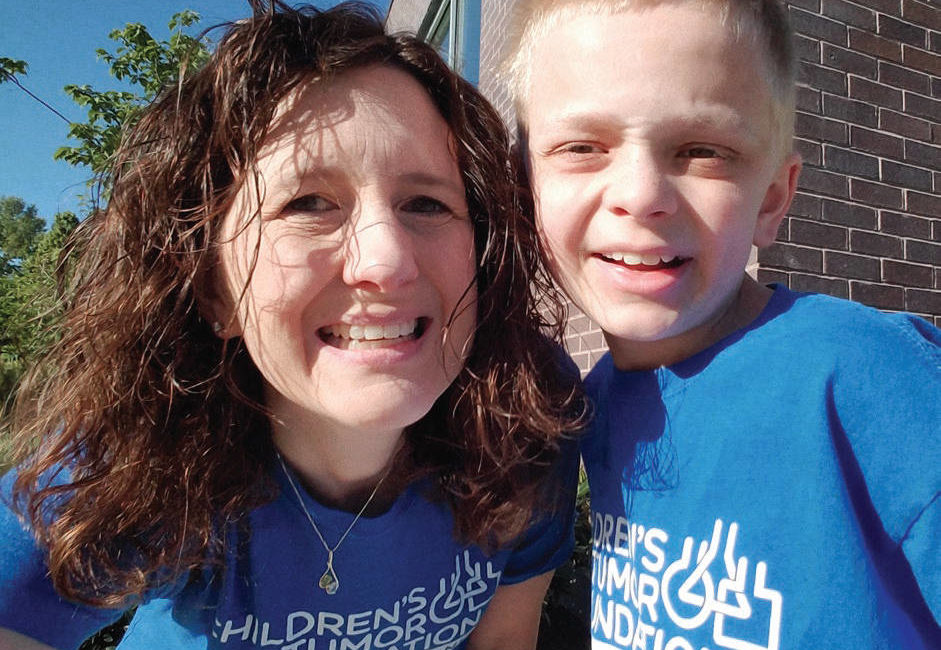
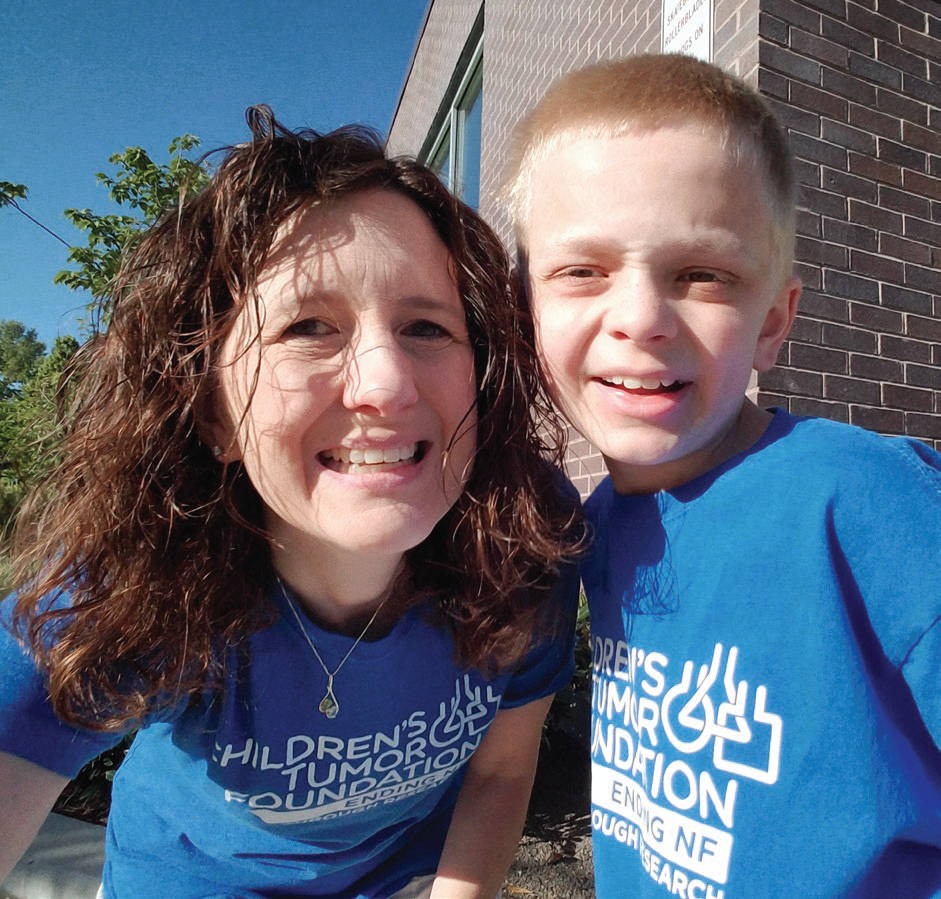

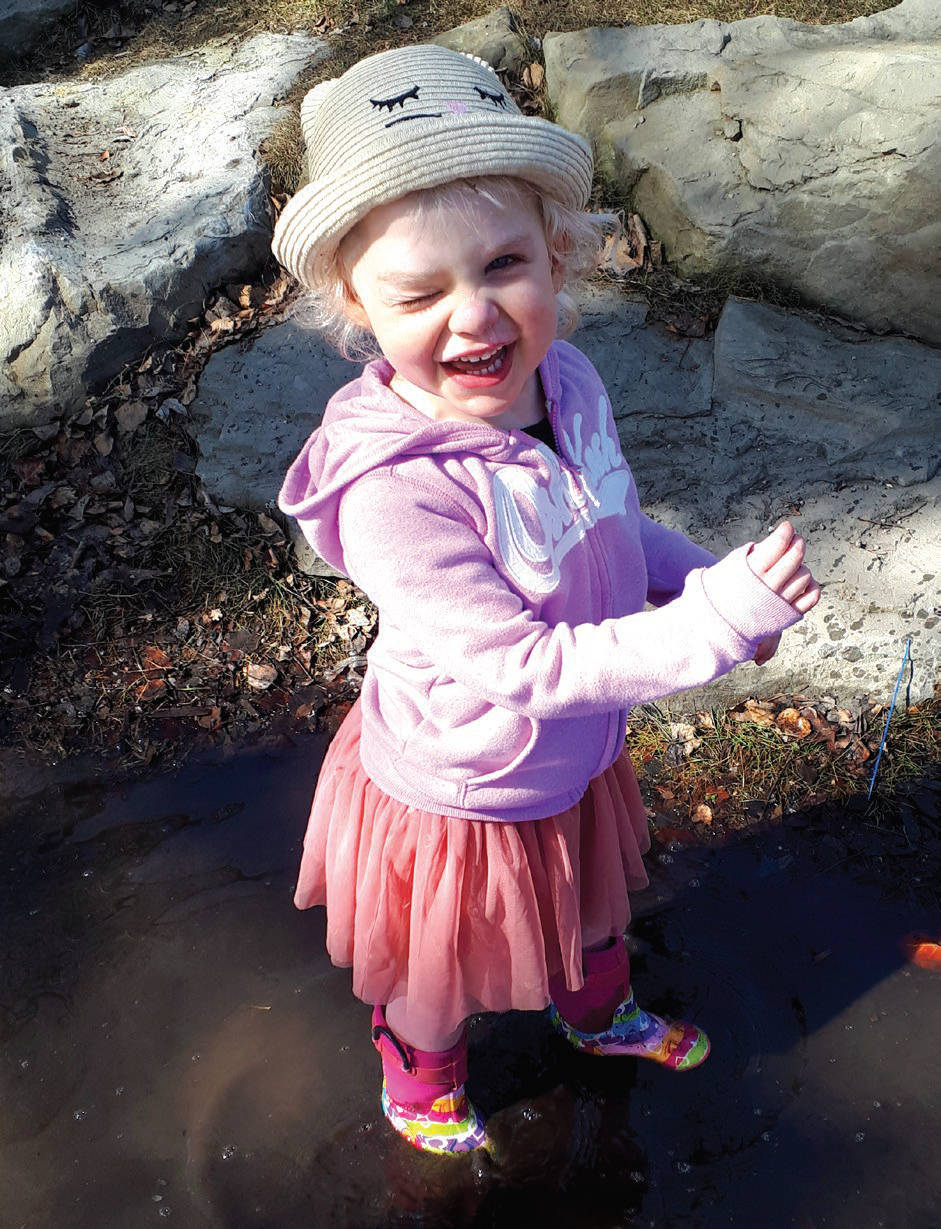
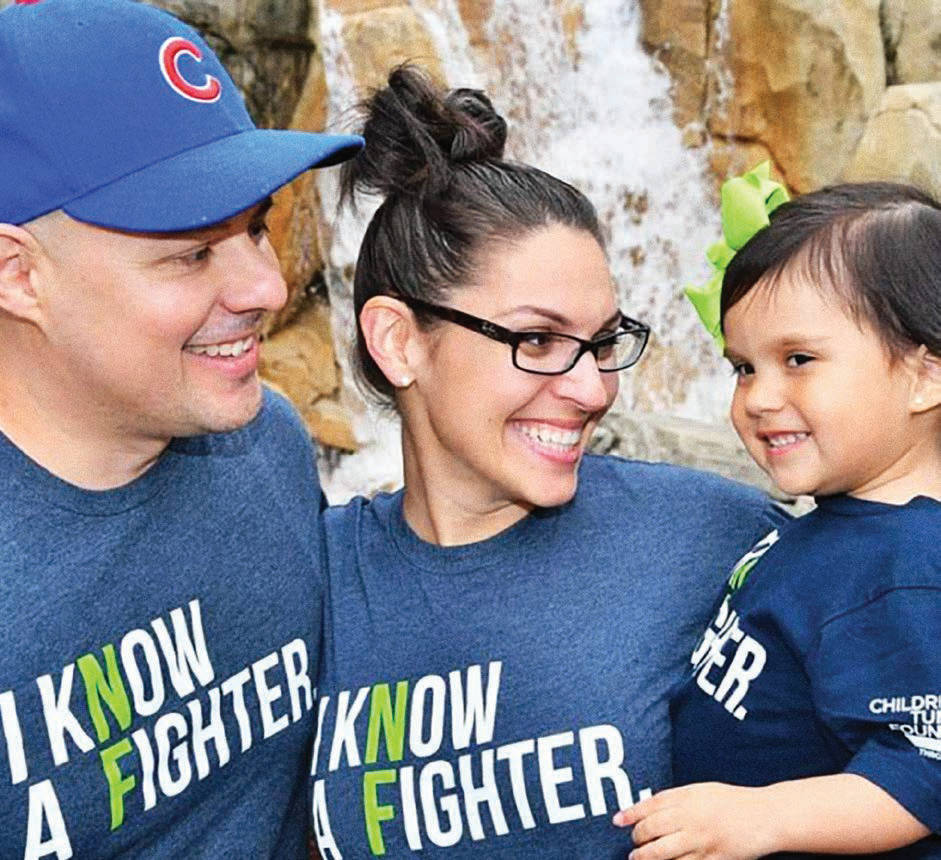
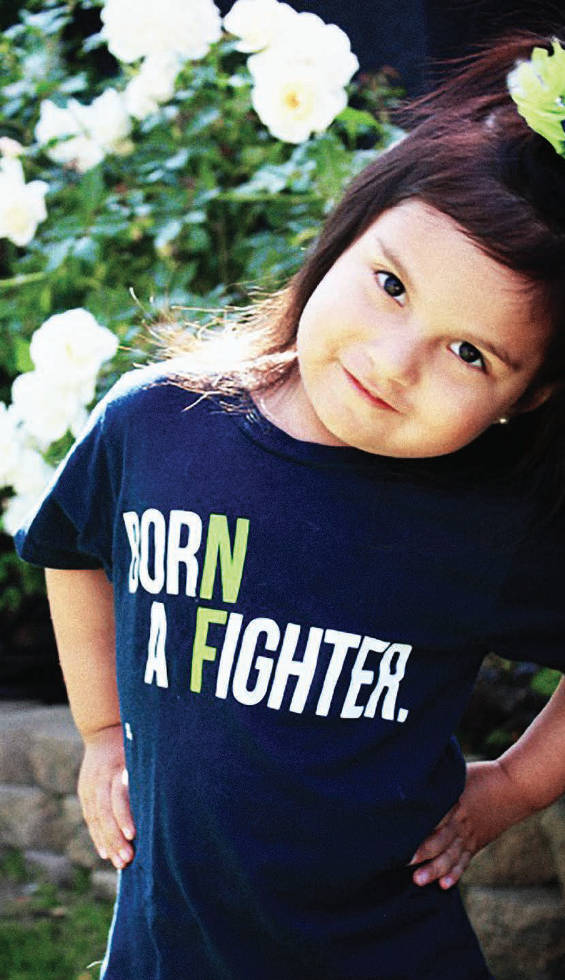
 Now that we have a second child, we’re constantly monitoring and analyzing our youngest for signs that something may be wrong, despite the doctors saying there’s only a 1% chance that she has NF. It really takes a conscious effort to not be anxious or overly critical all the time. We had an appointment with our youngest daughter’s pediatrician, and our doctor asked if we had any questions. I said, “What’s normal now?” She began to explain what seizures look like, but I understood that. When your child is having upwards of sixty seizures a day, it isn’t hard to identify them. I wanted to know what normal looks like now for us. And she had no answer for us at first. But she helped explain what movements indicate a trip to Children’s [Hospital] and what are just regular movements(because they can be hard to distinguish).
 Hazelyn’s milestones now are surrounded with more happiness then McKenzie’s. When Hazelyn smiles, we’re so happy to see this milestone. But with MacKenie it was “there’s a smile but she should have smiled months ago” and it was filled with much more sadness. Now we’re just able to enjoy these moments.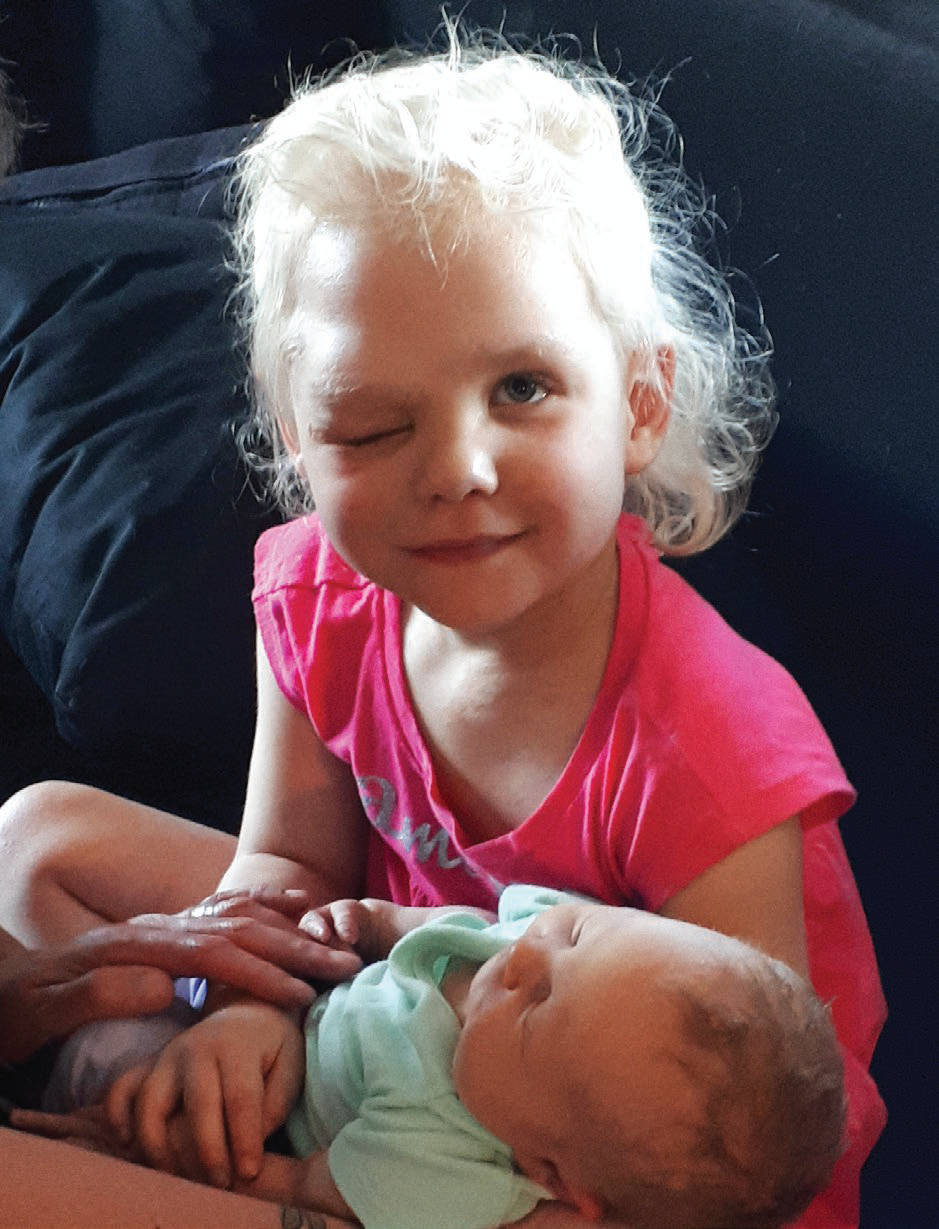
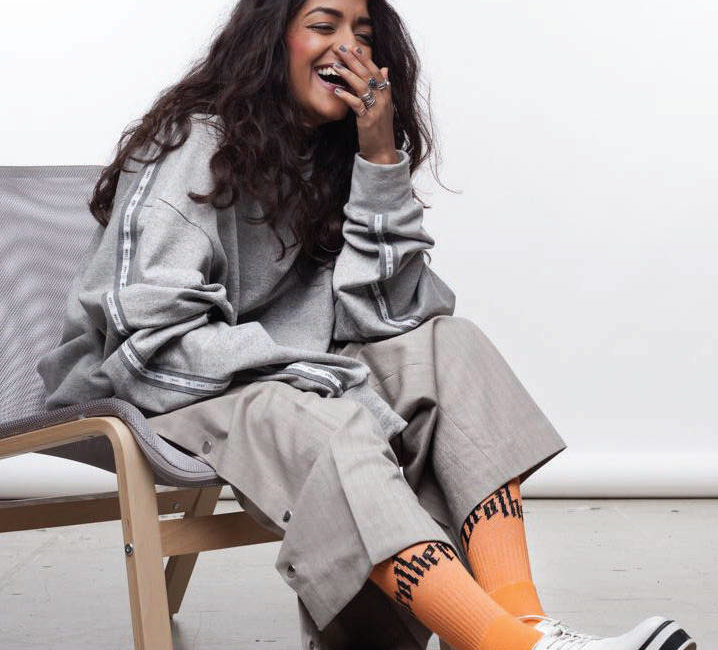

 A fashion blogger, influencer, and stylist, Arooj is known online for her distinct baggy clothing style and put together outfits. Though I had followed her Instagram at @vogue_wonders, where Arooj currently has over 10,000 followers, I wasn’t sure what to expect when we spoke. I shouldn’t have been nervous. From the moment we get on the call, her positive energy and sunny outlook was clear: Arooj seems to find inspiration everywhere she looks. “I find inspiration in what I read, what I see, what I look at, magazines, fashion trends already out there, and more – I try to find as much inspiration as I can on a daily basis to help people on my platform.”
 “My main style consists of oversized fitting clothes which I share on my Instagram. But in working in the fashion industry [in roles spanning from scouting to digital content], I want to show that no matter what you’ve got, you can be who you want to be. I’ve always been interested in fashion and intrigued by the way clothing fits on our bodies, and how it becomes a representation of who we are. It’s not just about clothing – it’s about expression.” Arooj didn’t start off using her platform this way – originally, it was simply to share her own style.
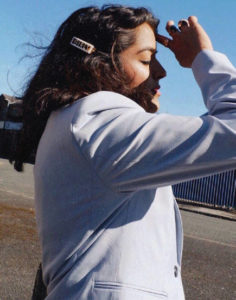 Arooj eventually became shortlisted for a Cosmopolitan Award for her sharp style sense. And yet, while this was exciting, she couldn’t help but regret that no one following her platform knew the true story behind her baggy attire. “It was then I started to feel like I couldn’t accept it; I felt like a bit of a fraud – because no one knew my real story. I felt like I was hiding. I wanted to achieve something but I wanted to be authentic as I achieved it.”
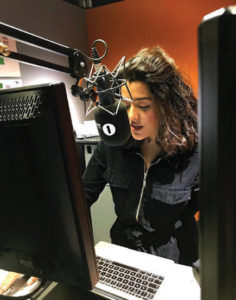 NF is often a hidden condition – so many afflicted by it hide the fact that they have it, which can lead to a lack of general awareness about it. Even though NF1 is found in roughly one out of every 3,000 individuals, there are few public figures who have admitted to having the genetic disorder. Arooj has given many people with NF a woman to look up; a figure in the public eye who is going through the same challenges they are. “I’ve had people write me saying ‘Wow, I’ve never seen a person with NF in the mainstream media.’ It’s kind of crazy to me, because so many people deal with it. For me, I’m just happy I can use my voice to spread the word. When British Vogue mentioned me in an article, it meant a lot to me – to see huge publications pick up my story and share it with their readership has been amazing. More people are learning about what NF means and how common it is.”
 Still, Arooj is incredibly humble when I congratulate her for her bravery and for setting an example for others. “I’m not perfect”, she admits. “What works for me might not work for everybody else. I think the first step is trying to accept your condition, and knowing that it’s not the end. The first stage for me has always been acceptance; understanding myself and my needs. For those newly diagnosed, I would just remind people to not let NF put up barriers for who you want to be in the world. We are so much more than our conditions as people. We have so much more to achieve.”
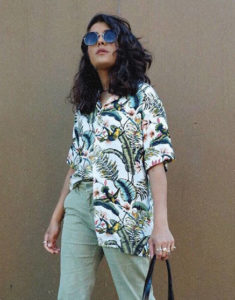 It also doesn’t have to be too planned, or part of a routine. Rather, Arooj speaks to the importance of generally trying to take it day-by-day. “I don’t necessarily have a routine. I think each day we learn, we see what’s good for us, what’s not good for us. I try to get an early night, but it doesn’t always happen. You can’t always know what the future holds, so I take it day by day. My advice to others is: take each day as it comes, but don’t have expectations. Be grateful for your experiences and opportunities and stay positive. When you’re positive you can be the best person of yourself, and not let anything stop you”.
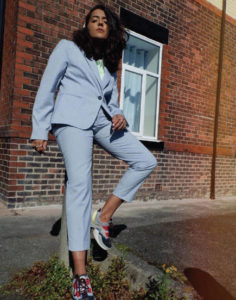 “It’s always mindset over matter” Arooj explains. “It’s easier said than done, but if you can start developing a stronger mindset, the world is your oyster. The minute I get up and be positive and do things, my life will change. I’ve tried to take on an attitude of recognizing how lucky I am – how lucky I am for healthcare, and for the life I do have. I’m lucky to have great friends, great family – and lucky to have a voice.” Of course, there are challenges. There are good days and bad. But building a community online, an extended network of supporters and friends, has helped Arooj stay strong and keep moving forward.
 “One thing I want to be clear about” Arooj states “is that I haven’t beat NF – I’ve just accepted it". I’m not some superwoman who has suddenly overcome it. What I have tried to do is be open with it. Accepting and overcoming are two different things: but what has helped me is hearing stories of other people and knowing that I’m not alone.”
 Brittany McGillivray is an editor and content strategist based in Vancouver BC. She has an MA in New Media and Digital Culture from the University of Amsterdam and a BA in Literature from McGill. As an avid reader, writer, and aspiring poet, she cares most about community, feminism, and giving a platform to all voices.